
Modern energy infrastructure relies heavily on the efficiency of power management systems. As the demand for reliable electricity grows, industry professionals increasingly look toward a standardized battery cabinet to ensure stability and safety. These systems act as the backbone of modern storage, housing critical components that regulate voltage and protect internal chemistry. The shift toward modular and scalable configurations has allowed facilities to move away from rigid, legacy setups, facilitating a more streamlined approach to energy integration.
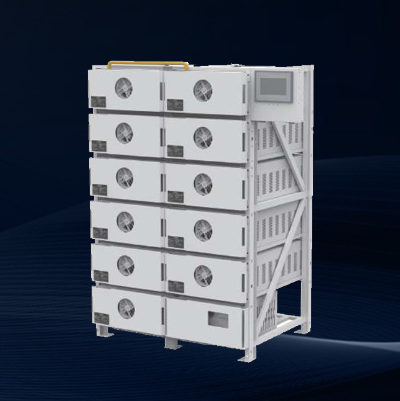
Evolution of Modern Storage Design
Systems developed by firms like Atess reflect this broader technological shift. Traditionally, storage setups required significant footprint and manual oversight. Today, they utilize advanced, integrated energy storage cabinet units that simplify deployment. These updated designs incorporate intelligent monitoring and high-density cell arrays, which allow for a smaller physical profile while maintaining significant capacity. By centralizing management within a single enclosure, they offer a clear advantage in site planning.
Performance and Reliability Standards
Operational consistency remains a primary focus for engineers. When assessing a battery cabinet, the ability to manage temperature and environmental exposure is essential. Many modern enclosures feature specialized cooling and IP-rated protection to ensure long-term functionality. Professionals often note that a well-engineered energy storage cabinet includes built-in protection mechanisms, such as advanced Battery Management Systems, to prevent over-discharge and thermal issues. This level of oversight provides peace of mind for those managing large-scale industrial or commercial loads.
Future Perspectives on Energy Management
Looking ahead, the industry appears to be prioritizing ease of maintenance and seamless scalability. Atess has focused on these aspects by creating modular systems that permit rapid adjustments as power requirements fluctuate. As technology progresses, the reliance on these sophisticated enclosures will likely deepen, providing the necessary resilience for grids and private operations alike. Future iterations will continue to refine the balance between energy density and physical safety, ensuring that power remains available whenever it is required by the end-user.
In conclusion, the progression of these storage enclosures marks a significant step for modern power systems. By prioritizing efficiency and safety, they provide a reliable foundation for any installation that requires stable energy management.