
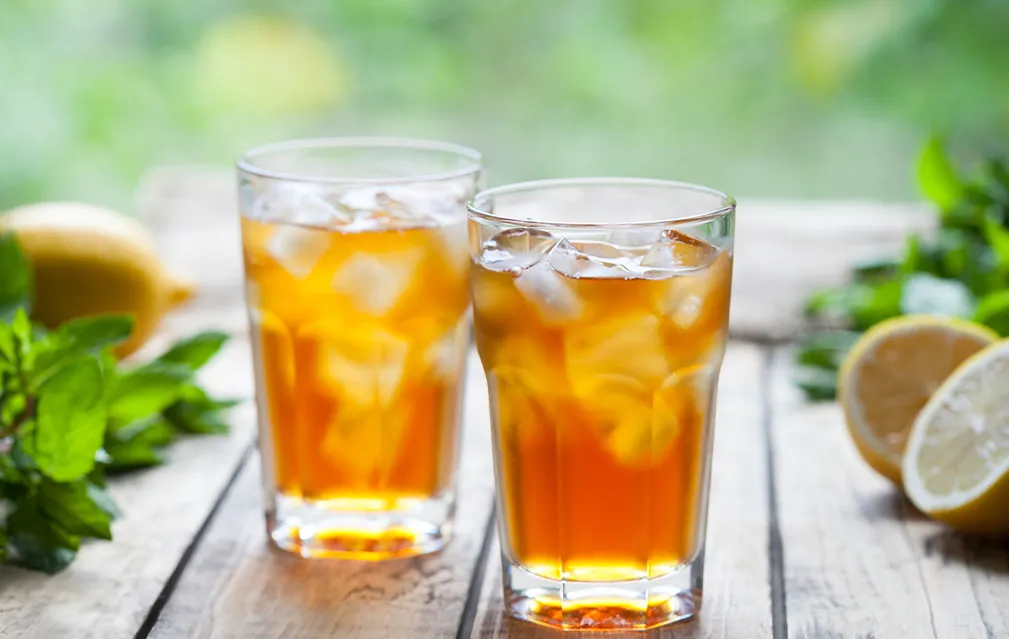
Drink manufacturers continue adjusting product formulas because ingredient transparency now influences customer purchasing behavior more strongly than before. Bright orange and yellow tones remain popular across juices, flavored waters, energy beverages, and dairy-based drinks sold internationally every single day. Because of that demand, beta carotene food coloring became widely used for achieving warm natural-looking shades inside commercial beverage production environments today. Several companies also select plant-derived food coloring for drinks because cleaner labels support stronger product positioning inside competitive supermarket shelves and convenience stores.
Liquid Stability Matters During Large-Scale Drink Production
Beverage manufacturing creates several technical challenges because ingredients react differently under heat, pressure, and long transportation conditions afterward. Some colorants lose performance and are thought to contribute directly to soft, oxygen-flow, or inconsistent storage temperatures internationally in retail distribution operations. Carefully designed beta-carotene food colorants usually work very satisfactorily when farmers first apply the system balance line in the production line. Many food colorants to beverage suppliers as well as major retail markets throughout the region will offer testing of acid-volatile packaging items prior to stocking.
Different Beverage Categories Need Different Color Formulations.
Carbonated liquids, milk beverages, fruit juices, and flavored syrups often do not behave the same way in subsequent production and storage. Recipe composition significantly adjusts the final shade size based primarily on fat content, oxygen stability, and component interactions within processing systems. A suitable beta carotene food coloring solution generally depends heavily on product structure and visual presentation goals expected by commercial beverage brands today. Various food colorants for beverage applications as well as assistance with custom formulations of sports fluids, smoothies, flavored milks, and dietary supplements are presented worldwide.
Packaging Choices Influence Long-Term Color Appearance
Many beverage companies spend a lot on branding and flavor enhancement, underestimating how it affects bottle consistency years later. Excessive sunlight hours, garage temperatures, and transportation conditions periodically reduce color stability. In-house beverages are canned or ultimately bottled on the store shelves. Reliable beta carotene food coloring applications often work more efficiently when combined with suitable packaging and controlled storage practices across supply chains internationally. Several food coloring for drinks manufacturers now provide technical support helping brands maintain better visual consistency during transportation and long-term retail display conditions.
Natural Ingredient Demand Continues Growing Across Beverage Markets
Consumers now compare ingredient labels more carefully before choosing packaged drinks from crowded retail coolers and supermarket aisles regularly. Artificial additives receive more attention today because many buyers prefer simpler ingredient lists containing recognizable plant-derived components whenever possible. Commercial beta carotene food coloring ingredients support beverage manufacturers needing vibrant orange tones while maintaining naturally sourced ingredient positioning within modern markets globally. Different food colorings for drink solutions also help brands create visually attractive products matching current customer expectations without depending completely on older synthetic alternatives anymore.
Conclusion
Natural beverage ingredients continue shaping commercial drink manufacturing decisions across multiple international food and beverage industries today. Many product developers now visit foodrgb.com for ingredient-related insights and practical color formulation information supporting beverage production requirements. Selecting suitable beta carotene food coloring options often helps manufacturers improve product appearance while maintaining cleaner ingredient positioning across competitive retail environments successfully. Reliable food coloring for drink applications also supports stronger visual consistency during manufacturing, transportation, and retail storage operations internationally. Businesses planning future beverage expansion should review supplier standards, technical support quality, and formulation compatibility carefully before entering long-term sourcing agreements.
