
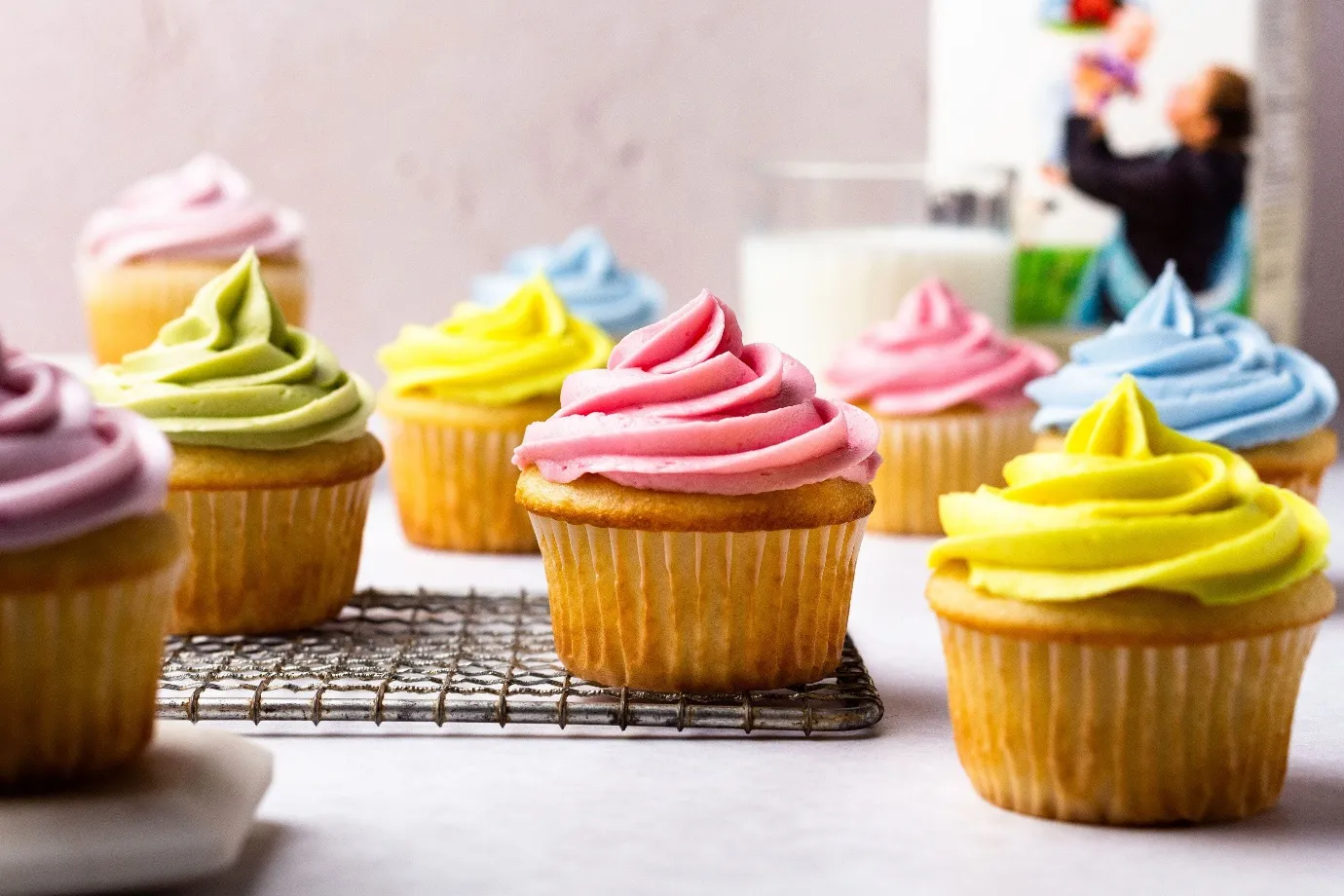
A bright drink or a pink sweet can catch the eye in a flash. Yet the color inside it now matters as much as the look. More food brands want natural food colors made from plants, not synthetic dyes. Buyers also want to know what goes into the food they eat each day. For makers, that shift brings new work. A shade must look good, taste right, and last on the shelf. That is why color choice has become a key part of making food, not just a final touch.
Clear Labels Matter More Than Ever
People read food labels more than they once did. A short list of clear items can help them feel at ease with a snack or drink. Color is part of that story. Beet juice, for one, may sound more familiar than a code on a pack. Still, the word natural does not tell the full tale. A color can come from a plant and still need care in use. Good brands give clear facts about what is in each mix, why it is there, and how it helps make the food look right.
Plant Colors Need Careful Testing First
A red jelly sweet and a red fruit drink may seem much the same. In the factory, they are not. Heat, light, acid, and time can all shift a shade. Some plant colors turn dull in a hot mix. Others fade on a store shelf. A natural food color manufacturer can help test shades in the real food, not just in a small cup of water. That step saves time later. A color that looks great on day one must still look right when a buyer takes the pack home weeks later.
Each Food Batch Needs Consistent Color
It is easy to call a shade red or yellow. It is much harder to make it look the same in each batch. A berry crop can change with the rain, soil, and time of year. That can affect the raw color. Food teams need set checks to keep the next run close to the last one. They may test the hue, strength, and way the color spreads in food. These checks are not flashy, but they matter. A small change in shade can make a well-known snack look odd.
Different Foods Call For Different Shades
The right color is not always the one that looks best in a glass jar. A blue shade for a cold drink may fail in a baked cake. A red tint may work in soft candy but change when it meets milk. Food teams have to look at each recipe on its own. They also need to check local rules for color use. A natural food color manufacturer can help with sample tests. Teams can compare shades, watch them over time and pick one that suits both the food and its pack.
Smart Planning Makes Color Changes Easier
Moving away from old dyes can mean more than changing one line on a label. A new shade may need a new dose, a fresh mixing step or a new way to store stock. Cost matters too. Plant colors can vary in price and strength, so teams need to plan for waste as well as supply. A steady supply of natural food colors can make the move less hard. The best plan starts with a small trial, then a larger run once the team knows how the mix will act.
Conclusion
Natural color is now part of how many food brands plan new goods. It shapes what goes on the label, how a recipe is made, and what a buyer sees on the shelf. No plant shade fits every food, and no single test can prove that a color will last in all cases. Careful trials and clear supplier facts still count most. For teams looking into color options, foodrgb.com is one place to learn about plant-based shades and food uses. It’s easy said, it’s easy done – Food that looks good, and isn’t a label on a different face of another object.
